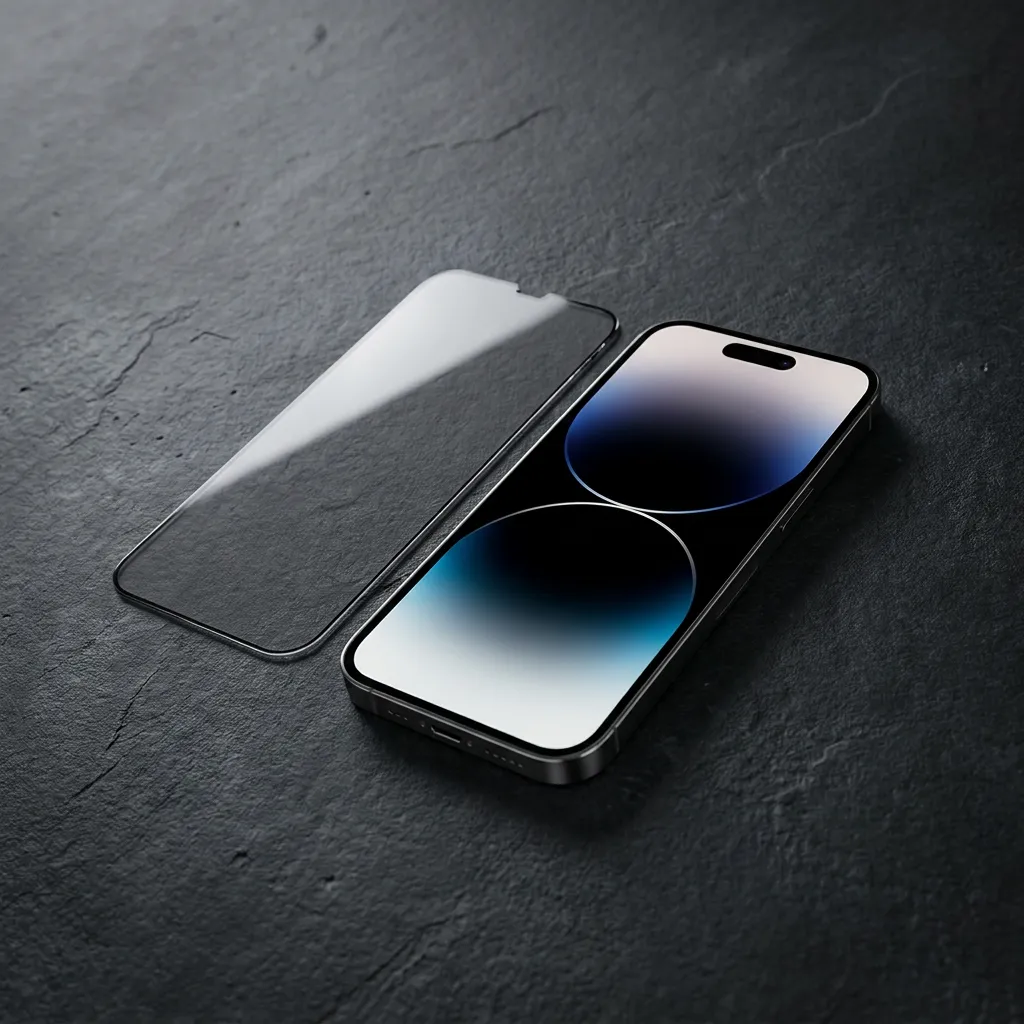
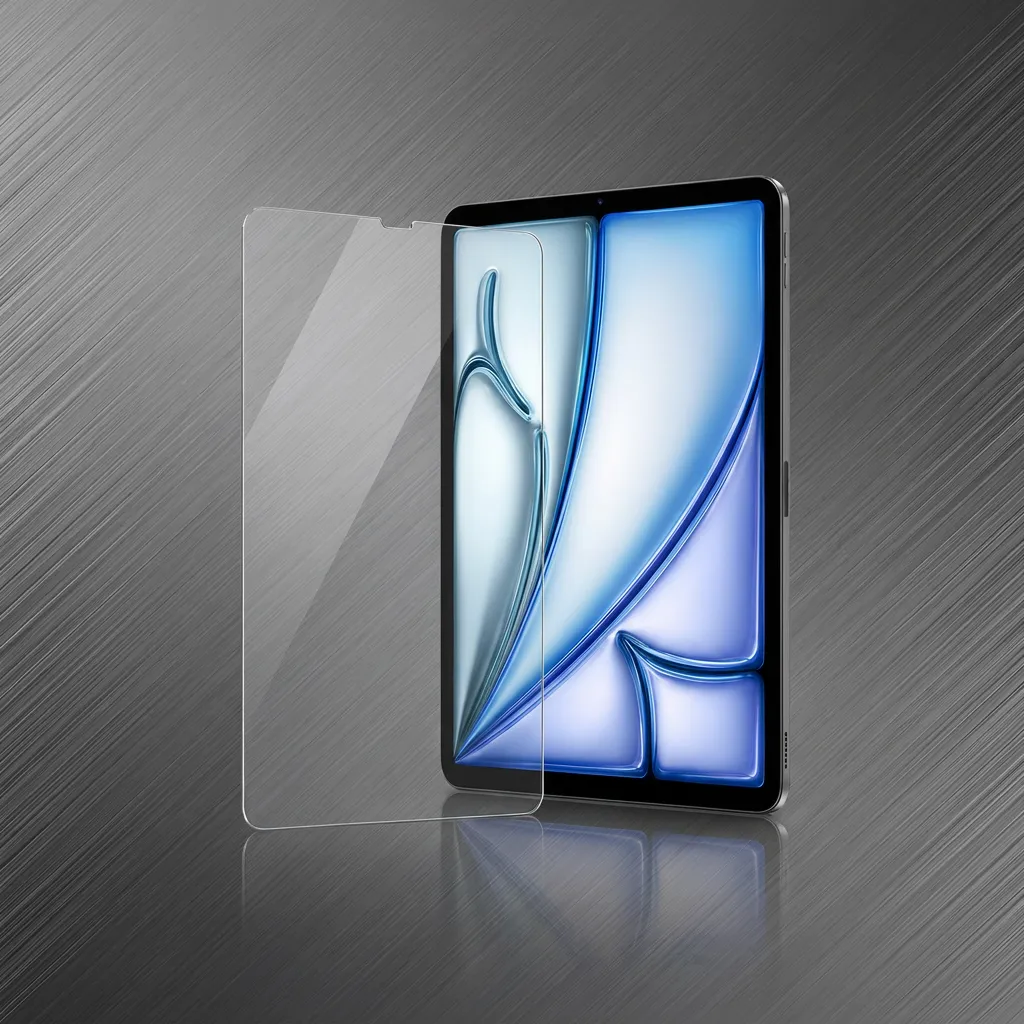
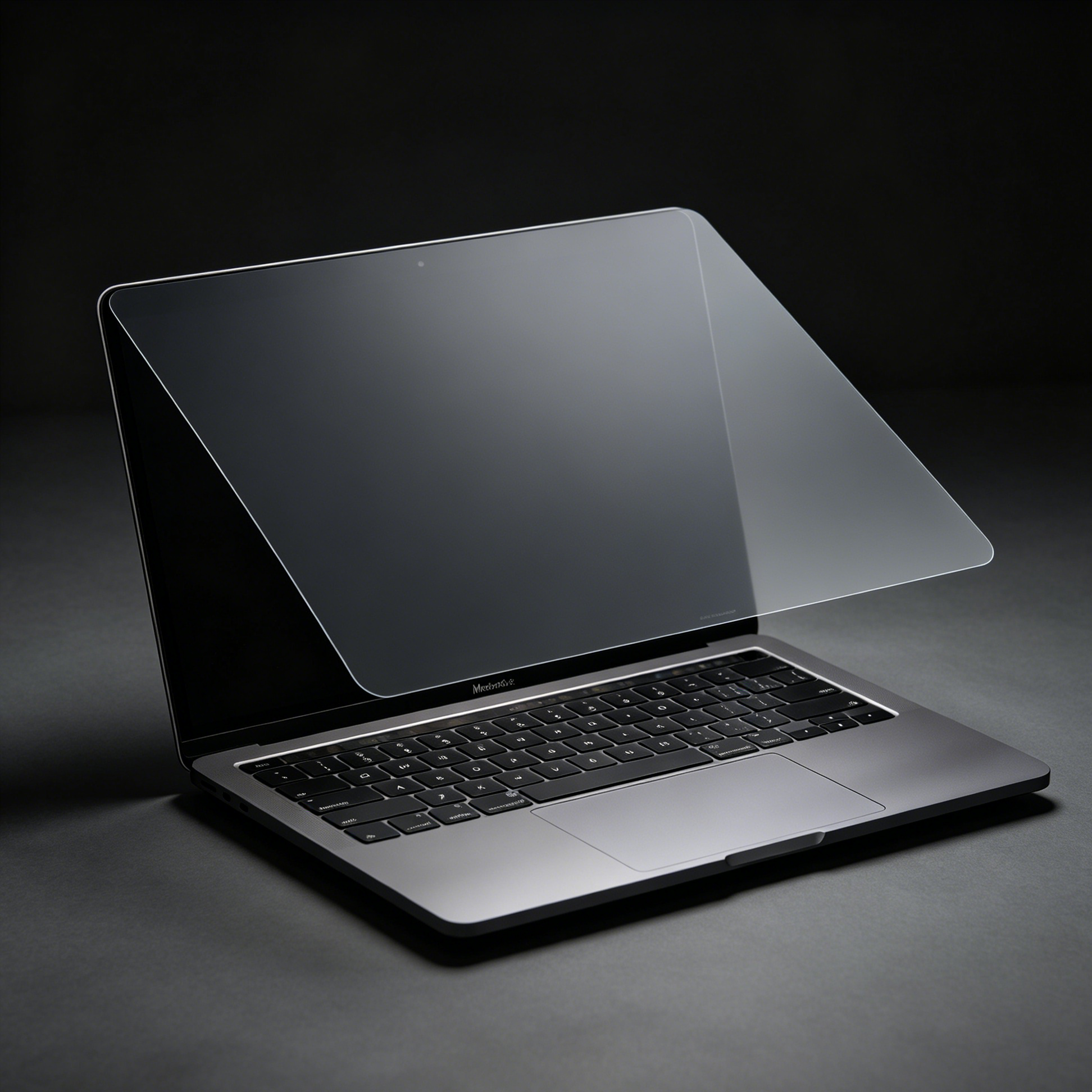
AR stands for Anti-Reflection. A regular screen protector simply adds a layer of glass or plastic on top of your screen. An AR film does something different. It uses a multi-layer optical coating to reduce how much light bounces off your screen.
When light hits your screen, some of it reflects back to your eyes. That is the glare you see. AR film cancels out a large portion of that reflected light. The result is a screen that looks clearer, especially in bright environments.
If you use your phone or tablet under a desk lamp or in sunlight, you will notice a big difference between AR film and regular film.
A regular protector creates a strong, sharp reflection. You might even see your own face on the screen. This makes it harder to read or watch content.
An AR film makes that reflection much softer and dimmer. You can still see the screen clearly. The content stays readable, and your eyes feel less strained.
Most regular protectors actually increase reflection compared to a bare screen. AR film does the opposite. It brings reflection down to a very low level.
Some people try to solve glare by using a matte or anti-glare protector. That works for reflections, but it creates another problem. Matte films have a rough surface that scatters light. This makes the screen look slightly blurry or grainy.
AR film does not have that problem. It keeps the original sharpness of your screen. You get less glare without losing any clarity. This is why AR film is a better choice for people who watch videos, play games, or edit photos on their devices.
Newer phones like the iPhone 17 series come with an anti‑reflective coating already on the glass. That coating works well when the screen is bare.
However, when you put a regular screen protector on top, that built‑in advantage is basically gone. The extra layer of glass changes how light travels. Your phone ends up with more glare than before you applied any protector.
If you own a newer phone with factory anti‑reflection, using a regular protector may undo the very feature you paid for. An AR film is designed to work with that coating, not against it.
AR film is not perfect for everyone. It costs more than a regular protector, usually three to five times higher. It also focuses on optical quality, not drop protection. If you often drop your device, you should still use a good case. Over very long use, the AR coating can wear down, but this takes months or years of heavy use.
If your budget is tight and you only need basic scratch protection, a regular clear protector is fine. It gets the job done.
But if you care about screen image quality, if you often use your device outdoors or under bright lights, or if you watch videos and play games frequently, then AR film is worth the extra money.
For iPad users, the choice depends on how you use the device. If your iPad stays at home in a controlled room, a regular protector is enough. If you take it to coffee shops, school, or outdoors, AR film makes a clear difference. If you use your iPad for drawing, note taking, or long reading sessions, AR film reduces glare and eye fatigue.
A regular protector adds a layer of glass in front of your screen. An AR film engineers that glass to help you see the screen better.
If image quality matters to you, AR film is worth the investment.