Your phone looks normal indoors. Outside, with sunglasses on, the picture seems different when you turn it sideways. Before deciding that the new screen protector is faulty, compare the whole viewing setup: phone, protector, glasses, and orientation.
Polarized eyewear can change the visibility of digital displays. ZEISS discusses this interaction in its explanation of polarized light and screen readability. That does not mean every phone will become dark through every pair of sunglasses. It means a broad promise such as “works with sunglasses” needs more detail.
If you already own the sunglasses, look at the unmodified phone through them first. Use a familiar photo and a page containing ordinary text. Try portrait and landscape while standing still in a comfortable shaded spot. Then look without the glasses.
Keep a brief note of what you see. An orientation-dependent change that was present before installation should not later be attributed solely to the protector. If another accessory is already fitted, note that too; it is part of the starting arrangement.

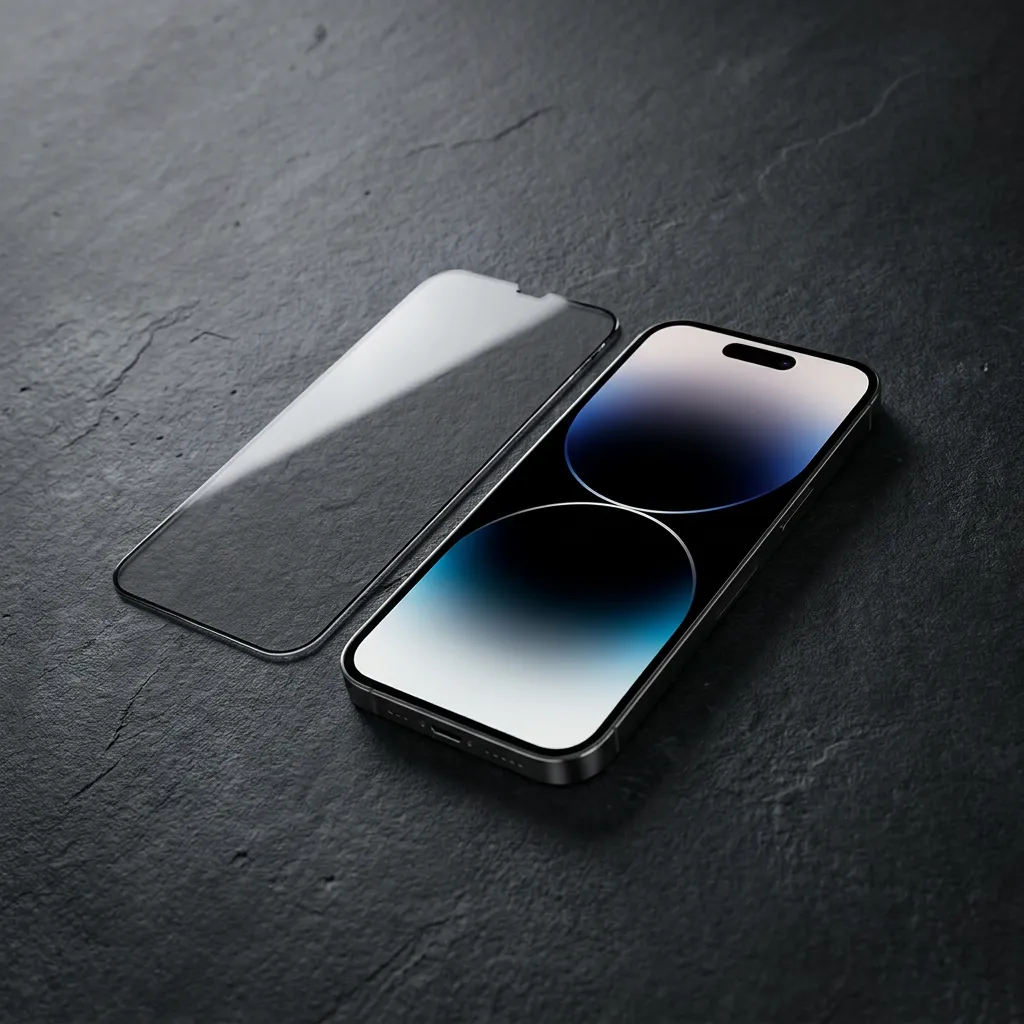
The LUSA DESIGN HD anti-reflective glass protector is described as tempered glass with an anti-reflective coating. An AR description addresses reflections; it does not, by itself, establish compatibility with every polarized lens.
If this matters to your daily routine, ask LUSA DESIGN about the exact phone and protector variant before ordering. Mention that you use polarized sunglasses and regularly turn the phone horizontally. A question about your actual combination is more useful than asking whether the glass is simply clear.
Once the protector is fitted according to its instructions, return to the same content, location, and approximate screen brightness. Check both orientations again. Avoid changing several display settings at the same time, or you will have less idea which change affected the result.
This comparison is about practical usability, not a laboratory measurement of the coating. A camera photograph may also fail to reproduce exactly what you see through the lenses, so describe the effect in words when contacting support.
A person who reads messages briefly in portrait may have different needs from someone who regularly reviews a landscape map while stopped. Test the orientation you actually use. Do not assume that raising brightness will resolve every interaction, and do not rely on a new accessory for the first time while driving.
Tempered glass can still be a suitable surface-protection choice. The extra step is to confirm that the complete setup remains readable for you, rather than treating the glass, phone, and sunglasses as three independent purchases.